Protecting Structures and Open Areas From Pest Birds

Pigeon Sonic Deterrents

Pigeon Sonic Deterrents

Sound Solutions to Keep Pigeons Away

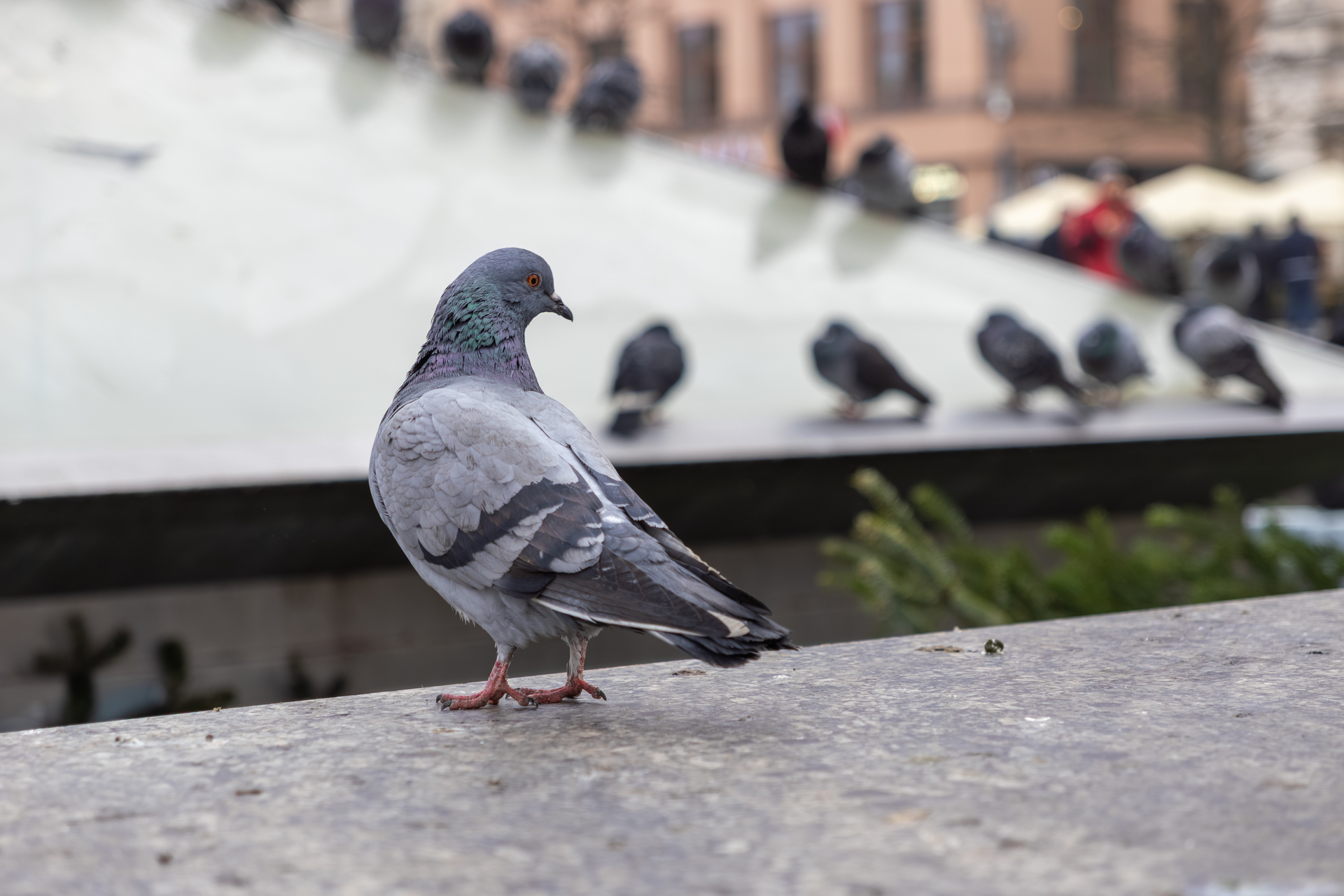
Pigeons roosting or nesting on a property can cause significant problems – droppings that corrode surfaces, blocked drainage, health risks for anyone working nearby, and ongoing cleaning costs. Where physical barriers are impractical or insufficient on their own, sound-based deterrence can play an important role in discouraging birds from settling.

Pigeon sonic deterrents work by broadcasting sounds that birds associate with danger – predator calls, alarm cries, and distress signals that trigger a natural flight response. They are particularly useful in open or semi-open environments such as rooftops, warehouses, car parks, and agricultural land where netting or spikes cannot easily be installed.

Sound-based deterrence works best as part of a wider bird management programme. On most sites, sonic systems are combined with other methods – physical exclusion, visual deterrents, automated lasers, or active falconry – to maintain consistent pressure on bird populations and prevent them from returning.

Pigeons roosting inside a commercial warehouse

Are ultrasonic pigeon repellers effective?

Ultrasonic devices emit high-frequency sound waves above the range of human hearing. The idea is to create an uncomfortable environment for birds without disturbing people nearby. In practice, pigeons hear within a similar frequency range to humans, which means very high-frequency ultrasonic signals are unlikely to have much effect on them at all.

Bio-acoustic systems

Sound pigeons can actually hear

Bio-acoustic systems use audible predator calls and pigeon distress signals that fall within the frequency range pigeons can detect. This triggers a genuine fear response and encourages birds to vacate the area.

Ultrasonic repellers

Sound pigeons can actually hear

Pigeons hear within a similar frequency range to humans. Ultrasonic frequencies they cannot detect are unlikely to trigger a fear response, which limits the reliability of these devices when used alone for pigeon control.

How do
Sonic Deterrents Work to Repel Pigeons?

Audible bird scarers work by playing predator calls and distress signals that trigger pigeons’ natural fear instincts, making them avoid or flee the area. To be successful, sound deterrents need to vary in timing and type, as pigeons can quickly learn to ignore repetitive noises.

Well designed systems use different calls, adjustable volume and random intervals, sometimes with motion sensors or remote activation, to keep pigeons guessing. Sonic deterrents can cover large areas, making them a practical addition to bird management programmes on rooftops, open yards, and large outdoor sites.

How do
Sonic Deterrents Work to Repel Pigeons?

Why prevention is crucial to commercial bird control
Fire Hazards
Leakage
Unsafe work conditions
Transmitted diseases
Damage to buildings
How Integrated Bird Management Can Help

Sound deterrents as part of a wider bird management programme.

IBM deploys bio-acoustic deterrents alongside other proven methods to create a coordinated approach to bird control. Rather than relying on a single solution, we assess each site and species to determine the right combination of methods – reducing the risk of habituation and improving long-term results.

Methods IBM deploys


Predator calls and distress signals.

24/7 deterrence across large areas.

Physical exclusion and proofing.

Active deterrence for persistent birds.

Our Work

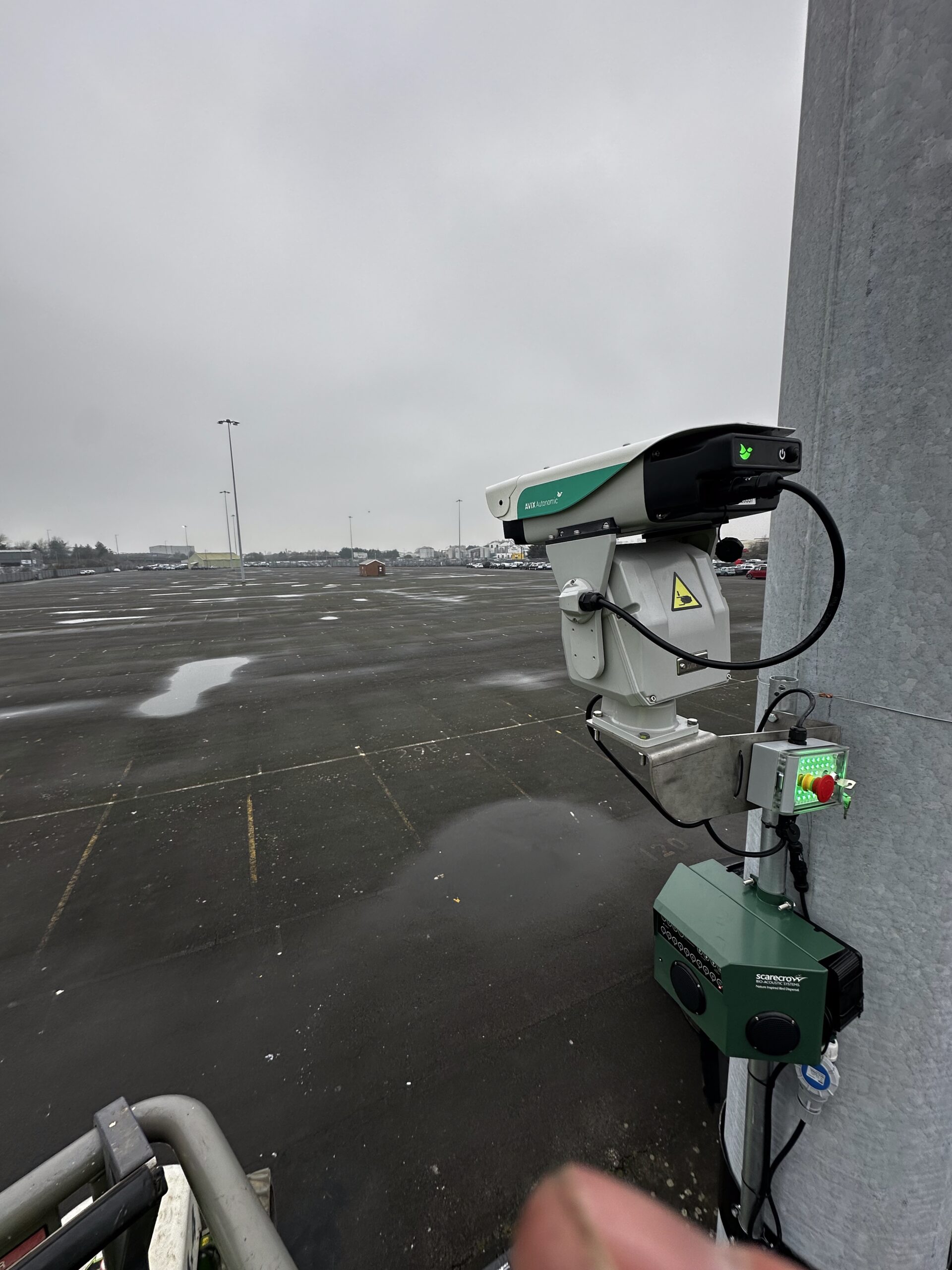
Gull deterrence – vehicle storage site

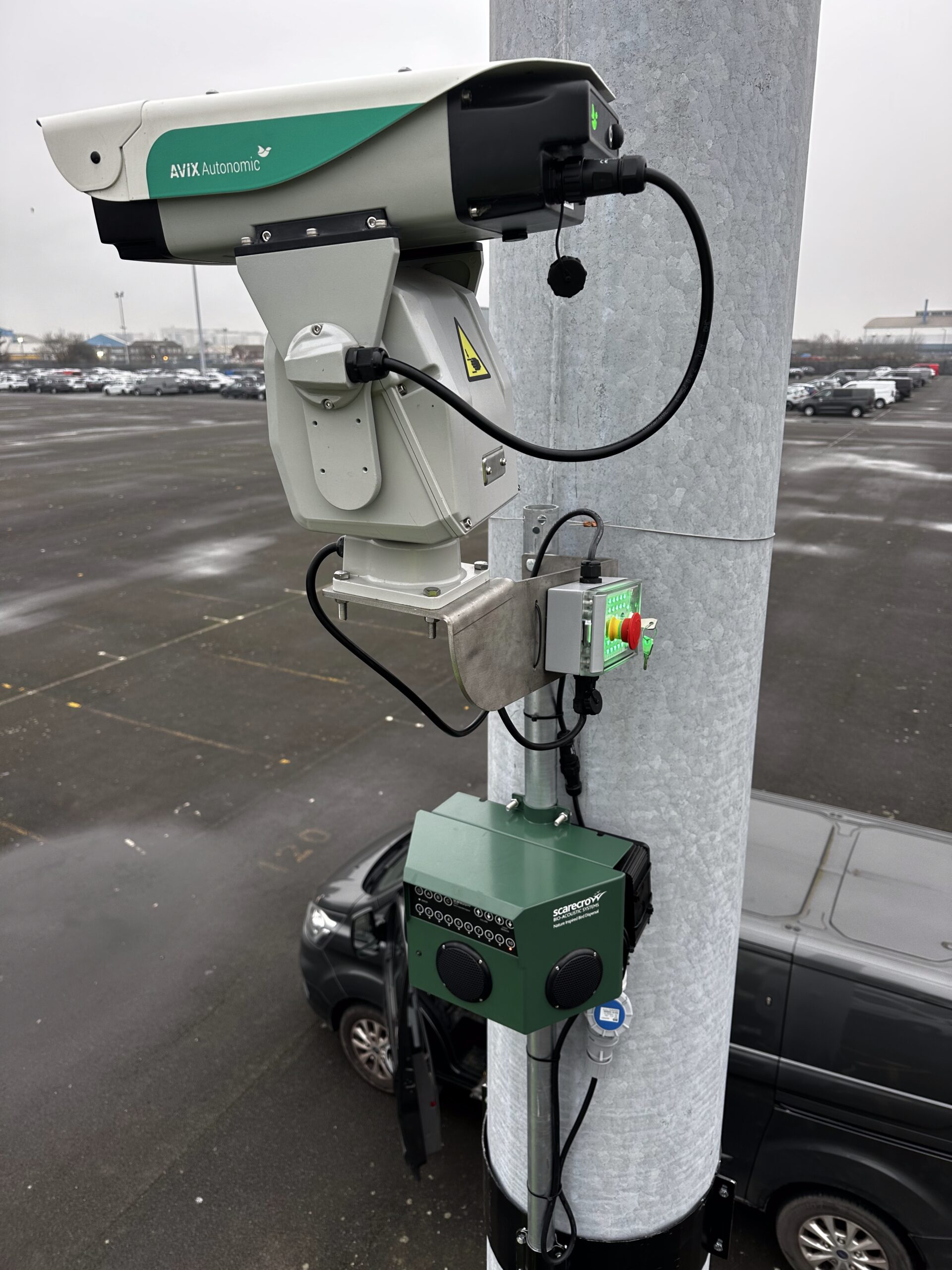
Large numbers of gulls were fouling imported vehicles and contaminating rooftop plant areas at a car importer’s storage site in Grimsby. IBM installed a Scarecrow 180 bio-acoustic unit alongside an automated laser system and carries out regular falconry visits to maintain pressure on the gull population. The combination prevents birds from becoming accustomed to any single deterrent – which is key to long-term effectiveness.

Benefits of Using Sonic Deterrents

  • Humane and non-disruptive: Bio-acoustic deterrents use natural predator calls and alarm signals rather than poisons, traps, or physical contact. They cause no harm to birds and produce minimal disturbance to people working nearby, making them practical for occupied sites.

  • Effective in open environments: Sound-based systems can cover large open areas where physical barriers are not viable. Rooftops, storage yards, open warehouse bays, and agricultural land are all well suited to this approach, particularly when combined with other deterrent methods.

  • Species-specific deterrence: Programmable bio-acoustic systems can be configured to broadcast calls associated with specific species. For pigeon control, this means playing pigeon distress calls and the cries of natural predators, targeting the problem bird directly rather than applying a generic deterrent.

  • Part of a coordinated approach: Sonic deterrents contribute to a wider bird management strategy rather than operating as a standalone fix. When used alongside physical exclusion, visual deterrents, or active methods such as falconry, they help maintain consistent pressure across a site and reduce the risk of birds becoming accustomed to any single method.

Limitations of Using Sonic Deterrents

While sonic deterrents are a valuable tool for keeping pigeons away, they do have limitations and must be used properly for the best results. Pigeons can adapt to repetitive sounds if they are not varied, so devices with changing calls or motion triggers work better.

Correct placement is crucial, as sound coverage depends on range and obstacles. Sonic deterrents work best as part of a wider plan that includes visual scarers and physical barriers, especially for persistent pigeons.

Our Happy Customers

Thousands of customers from different sectors worldwide rely on our bird control services to solve their bird problems.
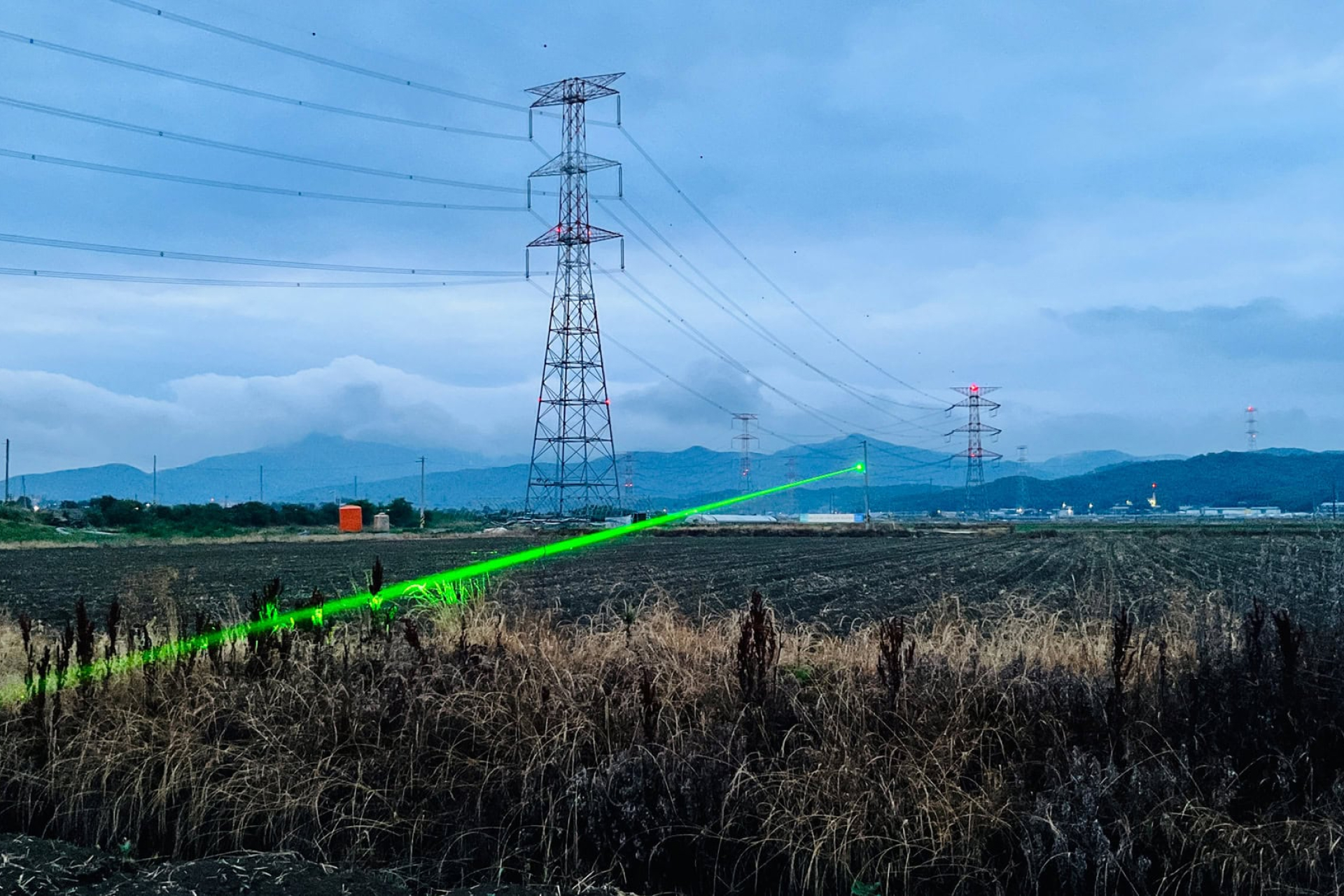
  • A soybean farmer in South Korea reduces crop losses by 95% with the AVIX Autonomic Laser Bird Deterrent

FAQs

Pigeon Sonic Deterrents

Ultrasonic pigeon repellers can have some effect, but overall they are not very reliable on their own. Pigeons hear about the same range as humans, so if a device uses a very high frequency that we cannot hear, pigeons likely cannot hear it either. In controlled spaces like warehouses where sound can bounce around, they may help discourage pigeons, but placement and realistic expectations are key. In general, ultrasonic repellers work best when combined with other methods.

The best pigeon deterrent is the one (or combination) that fits your specific problem area. For a food warehouse, a mix of netting on rafters and a sonic deterrent to cover open bays could be ideal. For a farm field or large rooftop, an automated laser or a professional bio-acoustic system might yield the best outcome. An integrated approach using physical barriers, sound deterrents, and visual scares together often provides the ultimate long term success.

An audio deterrent for pigeons is any device that uses sound to scare or discourage them from an area. This includes both audible sonic deterrents, like devices that play predator bird calls or pigeon distress cries, and ultrasonic repellers that emit high frequency sound waves. Audible deterrents work by making pigeons believe a predator is nearby or that their flock is alarmed, prompting them to leave.

Pigeons, like many birds, are frightened by sounds they associate with danger, especially those of their natural predators. The cry of a hawk or the hoot of an owl can quickly send pigeons fleeing, as these sounds suggest a nearby threat. Pigeons also react strongly to the distress calls of other pigeons, which put them on high alert. These predator and alarm calls are commonly used in sonic deterrent systems because they tap into the pigeons’ natural fear. While sudden loud noises like bangs can startle pigeons, they may eventually realise these are harmless if repeated without consequence.

Get a Quote

To provide you with the local support that you need, we rely on a network of trusted partners around the world. Please fill out the form below to begin.

EMAIL ADDRESS

PHONE NUMBER

FIRST NAME

LAST NAME