Protecting Structures and Open Areas From Pest Birds
Agrilaser Handheld
Seagull Scarers
Seagull Scarer Solutions and Effective Deterrents
Seagulls can be a serious nuisance in many UK towns and industrial areas. These large birds are bold scavengers, they swoop in for food scraps, nest on building roofs, and leave behind mess and damage.
A seagull scarer refers to any method or device used to deter seagulls and keep them away from your property. Using the right seagull scarers is crucial for businesses and property owners facing gull problems. Our focus is on solutions suited for UK environments (coastal, and industrial sites) that safely and effectively scare seagulls away without harming them.

Types of Gull Deterrents
Visual Deterrents: Seagulls rely on sight, making visual scarers particularly effective. Hawk kites, which mimic birds of prey, are highly successful due to their unpredictable movement.
Physical Barriers: These prevent gulls from landing or nesting. Common solutions include gull spikes, bird netting, wire grids, and spinning devices like bird spiders.
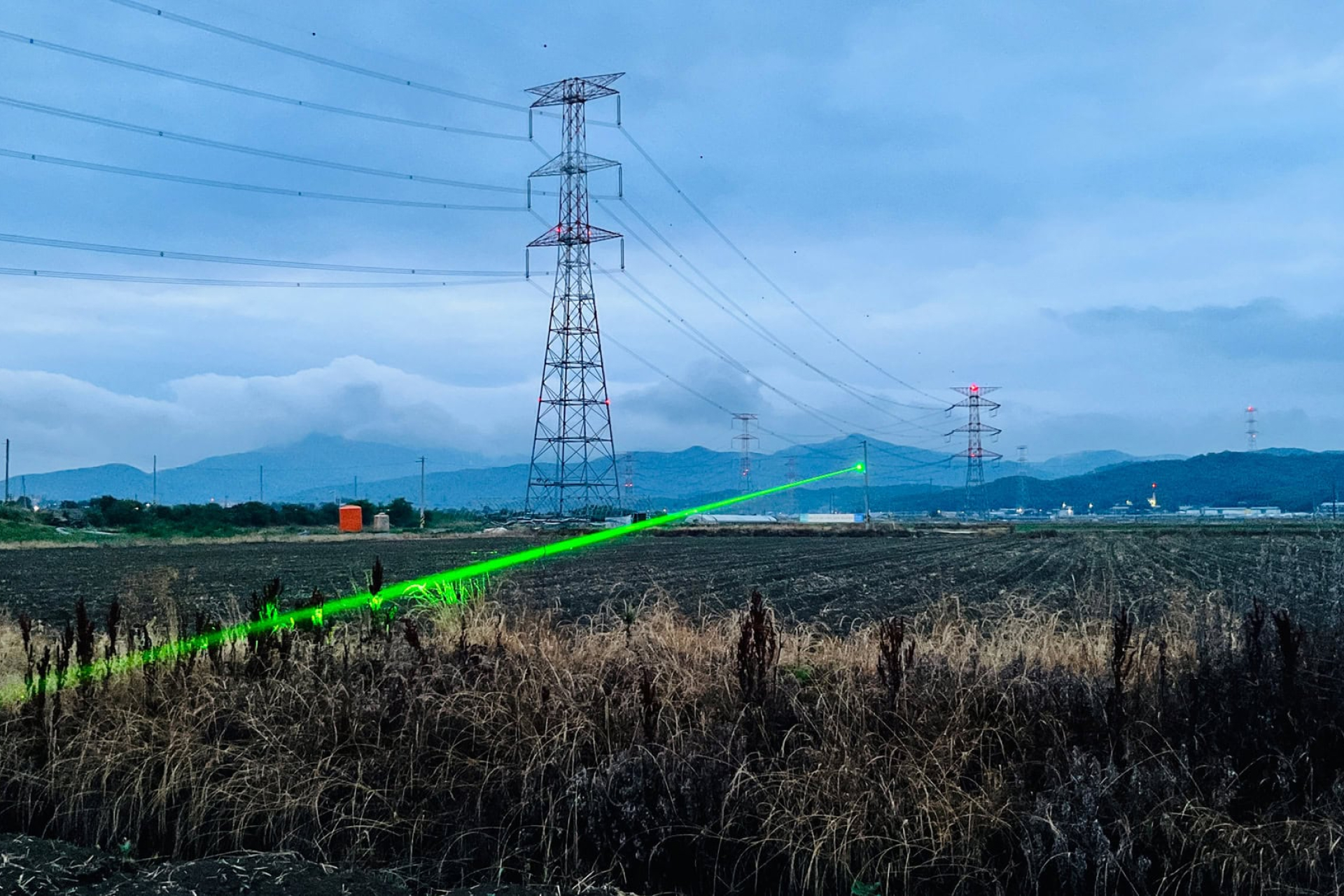
Laser Scarers: Laser deterrents use moving green beams to mimic a physical threat. Gulls perceive the laser as danger and flee.
Acoustic Deterrents: Sound based scarers include gas cannons, alarms, and bio acoustic systems that play gull distress calls or predator sounds.
Integrated Approach: Combining methods is the most effective way to deter seagulls. For example, spikes may be installed on building edges, lasers used at key times of day, and distress calls played intermittently.
Seagulls frequently nest and roost on flat roofs and ledges in urban and industrial areas, often returning to the same spot year after year.
Anti Gull Spikes: Installing extra long gull spikes on roof edges, parapets, chimney tops and around rooftop equipment stops seagulls from landing.
Bird Netting and Wire Grids: For areas where gulls commonly nest, such as flat roofs, bird netting offers complete exclusion.
Visual Deterrents: Hawk kites mounted on rooftops mimic predator birds and are effective over large areas.
Laser Systems: Automated laser deterrents sweep rooftops with moving green beams, which gulls interpret as a threat.
Roof Maintenance: Good housekeeping is vital. Remove old nests (outside of breeding season), clean up food waste, and keep bins sealed.
Seagull Scarers for Roofs
Seagull Scarer Audio Sound Based Deterrents
Audio deterrents can be a useful part of a broader seagull control strategy, but they are most effective when combined with other methods.
Bio Acoustic Devices: These systems play natural bird sounds, such as seagull distress calls or predator calls like hawks or eagles. The goal is to trigger gulls’ fear responses and encourage them to flee.
Loud Noisemakers (Propane Cannons, Sirens): While they can disperse flocks temporarily, they are often unsuitable for urban or industrial areas due to noise disturbance.
Ultrasonic Devices: Ultrasonic scarers emit high frequency sounds above the human hearing range, intended to disturb birds silently. However, evidence suggests seagulls and many other birds may not hear or react to these frequencies, casting doubt on their effectiveness.
Why prevention is crucial to commercial bird control

Fire Hazards

Leakage
Unsafe work conditions

Transmitted diseases

Damage to buildings
Effortless bird control

Effective on rooftops and outdoor locations
The AVIX Autonomic bird deterrents effectively keep birds off rooftops and prevent birds from nesting. The system projects a laser light that scares birds away, making them relocate from the area.
Ideal for keeping birds away from buildings
The AVIX Autonomic works well in both indoor and outdoor locations. The laser projection is highly customizable via our mobile App, allowing you to target the areas of your buildings where birds roost.
Seagull Scarer FAQs
The most effective seagull scarer is typically a combination of physical deterrents and active scare devices. In terms of single solutions, bird netting and spikes are extremely effective because they physically block seagulls from landing or nesting on a surface. Once a roof is netted off or a ledge is spiked, gulls simply cannot use that spot anymore. For an active scarer, modern laser deterrents have proven very successful at keeping seagulls away from wide areas.
Ultimately, the most effective approach is to use multiple methods together. For example, you might install spikes on your roof edges (to stop roosting) and use a laser or hawk kite to patrol the airspace. No single gadget works 100% of the time on its own but a well planned combination will drastically reduce seagull problems and often eliminate them entirely.
The most effective way to keep seagulls away is to eliminate what attracts them and apply a consistent, proactive deterrent strategy. Start by removing food sources and nesting opportunities. Seagulls are drawn to areas with easy access to waste or quiet flat roofs ideal for nesting.
Next, install physical barriers such as gull spikes on ledges and bird netting on roofs to stop birds from landing or nesting. Once the site is made physically unwelcoming, introduce active deterrents suited to the environment. In open or coastal areas, hawk kites or occasional falconry play on the gulls’ natural fear of predators. For urban rooftops, automated laser systems or sonic devices that play distress calls help keep birds on edge.
In short, the best deterrent is a well rounded plan: remove attractants, deny access, and create a persistent sense of danger.
Seagulls, like many birds, are most fearful of predators or anything that mimics an immediate threat. Their natural enemies include birds of prey such as hawks, falcons and eagles. Gulls have a strong instinct to avoid these raptors even the outline of a hawk in the sky can trigger alarm. This fear is why hawk shaped kites and realistic predator decoys can be effective, at least temporarily.
Gulls are also startled by sudden movement and loud, unfamiliar noises. Fast-moving objects, sweeping laser lights or abrupt bangs (such as from gas cannons) will usually provoke a flight response. Conversely, gulls are unfazed by everyday sights and sounds that do not pose a threat. In busy areas, they often grow bold around people once they realise they are not at risk.
In short, gulls are most afraid of predators, erratic motion, and unexpected noise. The most effective deterrents are those that tap into these natural fears with unpredictability and realism.
Get a Quote
To provide you with the local support that you need, we rely on a network of trusted partners around the world. Please fill out the form below to begin.