Which Seagull Species Cause Problems on UK Commercial Roofs
Which Seagull Species Cause Problems on UK Commercial Roofs

Yes, and specifically a member of the gull family. The word seagull has no scientific meaning though, because there is no single species called a seagull. It is a catch-all term covering several distinct species with different sizes, behaviour and conservation status.
That distinction matters more than it sounds. What you are legally allowed to do about gulls on your roof depends on which species is nesting there, so identification is the first step of any sensible plan rather than a technicality.
Identifying UK Gull Species
| Species | Size | How to recognise it | Where it causes problems |
|---|---|---|---|
| Herring gull | Large | Pale grey back, pink legs, yellow bill with a red spot | The main roof nesting species on urban and industrial buildings |
| Lesser black-backed gull | Large | Dark grey back, yellow legs | Flat commercial roofs, often alongside herring gulls |
| Great black-backed gull | Very large | Near-black back, heavy bill | Landfill and coastal industrial sites |
| Black-headed gull | Small | Dark brown hood in summer, red legs | Playing fields, car parks and reservoirs in large flocks |
| Common gull | Medium | Greenish legs, gentler appearance | Mixed inland flocks, mostly in winter |
Why Gulls Nest on Commercial Roofs
A flat or shallow-pitched commercial roof is a good approximation of a cliff ledge. It is elevated, flat, largely undisturbed and free from foxes and other ground predators, and rooftop plant, parapets and structures give exactly the shelter gulls look for.
Food is the other half of the equation. Gulls are opportunistic feeders, and inland sites near waste transfer stations, food production units and retail parks offer a reliable supply. Once a pair nests successfully they return to the same roof year after year, and their offspring often settle nearby, which is how one pair becomes a colony within a few seasons.
What Gulls Cost a Commercial Site
Gull problems escalate faster than pigeon problems, mainly because of the size of the birds and their behaviour during the breeding season.
Aggressive swooping: Adults defend nests robustly, and swooping incidents affecting staff, visitors and delivery drivers become a genuine health and safety matter.
Heavy fouling: Larger birds produce considerably more droppings, damaging roof coverings and creating slip hazards on walkways and steps.
Blocked drainage: Gull nests are bulky, and the material regularly blocks outlets and gutters, which leads to water ingress on flat roofs.
Noise: Colonies are loud, particularly early in the morning, which causes real friction on mixed-use sites and near residential neighbours.
Damage to rooftop plant: Nesting around plant, aerials and solar arrays affects performance and makes maintenance access difficult.
Legal Status and Licensing
All wild birds, gulls included, are protected under the Wildlife and Countryside Act 1981. It is an offence to intentionally kill or injure them, or to damage or destroy a nest while it is in use or being built.
Gulls are also a conservation concern rather than simply a nuisance, and that has fed directly into how they are treated in law.
| Species | Conservation status | Practical effect |
|---|---|---|
| Herring gull | Red-listed in the Birds of Conservation Concern review | Removed from general licences. Individual licence needed for control or nest removal |
| Lesser black-backed gull | Amber-listed | Also removed from general licences. Individual licence required |
| Other gull species | Varies | Protected under the Act. Check the current licence position before acting |
Licensing is administered by Natural England, with separate arrangements in Scotland, Wales and Northern Ireland, and the terms are reviewed periodically. Confirm the current position with the relevant authority before assuming anything. For almost every commercial site, non-lethal deterrence is the only realistic route, and it is also the one that works.
Choosing a Deterrent
Gulls are large, determined and highly site-loyal, so half measures fail. Pigeon-grade proofing in particular is a false economy, because lightweight spikes and thin netting do not hold up to a bird this size.
| Method | Best suited to | Points to note |
|---|---|---|
| Roof netting | Flat roofs and defined nesting areas | Most reliable option where the layout allows it |
| Heavy duty spikes | Parapets, ridges, plant housings | Standard pigeon spikes are usually too light |
| Post and wire | Roof edges and parapet walls | Useful where netting is impractical |
| Laser deterrent | Large or complex roofs, yards, solar arrays | Covers areas physical proofing cannot reach |
| Falconry response | Landfill and waste handling sites | Disperses established colonies before proofing |
Timing matters as much as the method. Proof outside the breeding season, because once nests are active your options narrow considerably until the young have fledged. It is also worth talking to neighbouring occupiers, since gulls displaced from one roof simply move to the next one along.
Our pages on seagull deterrents and seagull scarers go into the equipment in more depth.
Need Expert Bird Control Solutions?
If you are dealing with bird related issues on your property, our team at Integrated Bird Management is here to help. Contact us today for expert guidance on sustainable bird control solutions. Our team is always happy to answer any questions you may have or arrange a site assessment.
Frequently Asked Questions
Ready to explore laser bird control for your facility?
Contact our specialists today for a free site survey and discover why UK businesses trust laser technology for long-term bird management success.
Integrated Bird Management: Laser Deterrents
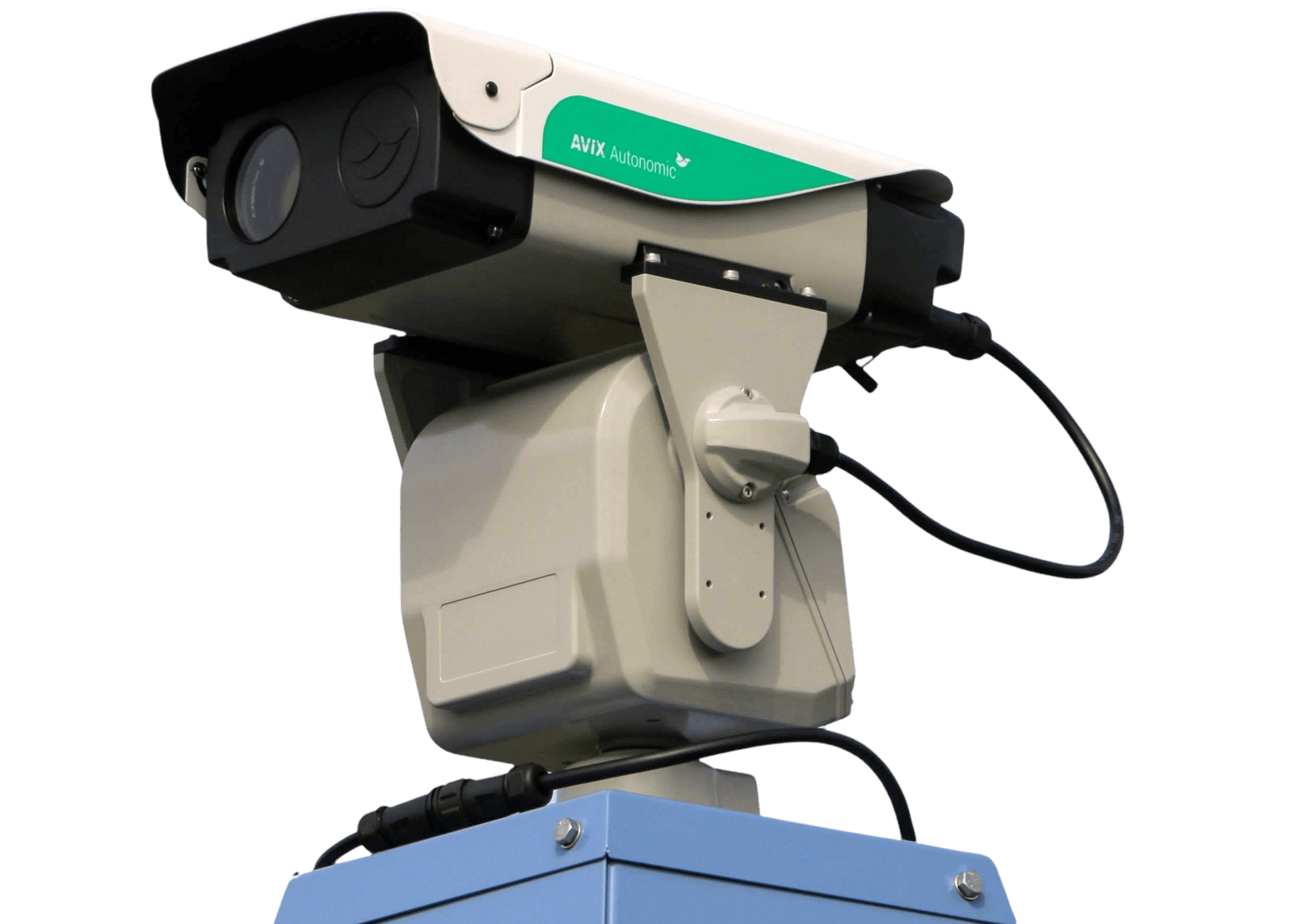
Integrated Bird Management offers the AVIX Autonomic Mark II, an advanced laser bird deterrent that provides continuous, automated protection against nuisance birds. Birds see the laser as a physical threat and immediately leave the area, making this a highly effective and humane solution.
Unlike traditional methods, the AVIX Autonomic is silent, preventing noise disturbances, and birds do not become accustomed to it, ensuring long term success. With low maintenance requirements, the system operates efficiently with only a laser bulb replacement every 3-5 years.
Key Benefits Include:
Deal With Gulls Before Nesting Season
The best time to proof a roof against gulls is well before they arrive. Please fill out the form below to begin.