The Hidden Cost of Birds in Warehouses
The Hidden Cost of Birds in Warehouses

Most warehouse managers budget for the obvious cost of a bird problem, the odd clean up after droppings build up on the loading bay floor. What rarely makes it into the budget is everything that follows: damaged stock, failed hygiene checks, repairs, and the time it takes staff to deal with it all. The real cost of birds in warehouses is almost always higher than it first appears.
Why Bird Problems Cost More Than They Look
A bird problem rarely stays small. Once pigeons or gulls settle into rafters, eaves or open loading bays, the cost starts building in places that are easy to miss day to day.
The visible cost is cleaning, hosing down a yard or wiping droppings off racking. The hidden cost sits underneath that: corroded roofing from acidic droppings, blocked guttering that leads to water ingress, and stock that has to be written off because it no longer meets hygiene standards. None of that shows up on a cleaning invoice, but it shows up on the bottom line eventually.
When we ask new enquiries to estimate the financial impact of their bird problem, answers typically range from a few thousand pounds for a single site issue to well over £100,000 for sites with a long running, untreated infestation. The longer a problem runs, the wider that range gets.
Where the Costs Actually Come From
Stock and packaging contamination
Droppings on pallets, packaging or open stock can mean write offs, especially in food, pharmaceutical or retail logistics. A single contaminated batch can cost far more than any bird control measure would have.
Structural damage and repairs
Droppings are acidic and corrode roofing, cladding and metalwork over time. Nesting material blocks gutters and drainage, which leads to water damage that is expensive to put right once it has set in.
Health and safety incidents
Droppings on walkways and racking create slip hazards. Birds also carry pathogens such as salmonella, which raises real concerns for staff working near affected areas.
Failed audits and compliance issues
For warehouses handling food or pharmaceuticals, a bird infestation can mean a failed hygiene audit. That can lead to lost contracts or regulatory action, both of which cost far more than the original problem.
Operational downtime
Cleaning, repairs and emergency call outs all take staff and resources away from normal operations. On a busy logistics site, even a few hours of disruption adds up quickly.
Reputational damage
Clients and auditors notice bird problems. A visible infestation can affect how your site is perceived by the businesses you supply, particularly in sectors where hygiene standards are part of the contract.
Repeated costs from temporary fixes
Cleaning up after birds without addressing why they are there in the first place means paying for the same problem again a few months later.
Common Mistakes That Increase the Cost
Some of the most expensive bird problems start with reasonable sounding shortcuts.
How to Reduce the Cost of Birds in Your Warehouse
The most cost effective approach is usually a layered one, dealing with access points, perching areas and open spaces together rather than tackling them one at a time as problems appear.
Bird netting is one of the most reliable ways to permanently exclude birds from loading bays, roof voids and other enclosed areas. Once properly fitted, it needs very little ongoing spend. Bird spikes work well on external ledges, signage and roof edges where birds tend to perch before finding a way inside.
For larger or open areas such as yards and loading bays that need to stay accessible, an automated laser deterrent gives continuous coverage without the cost of building physical barriers across a wide space. If you manage a distribution site rather than a traditional warehouse, our guide on bird-proofing a distribution centre covers a similar set of solutions in more detail.
Looking at the full picture of long term bird control solutions is worth doing before committing to any single method, since the right combination usually costs less over time than repeatedly patching the same problem.
Looking for a Cost Effective, Long Term Solution?
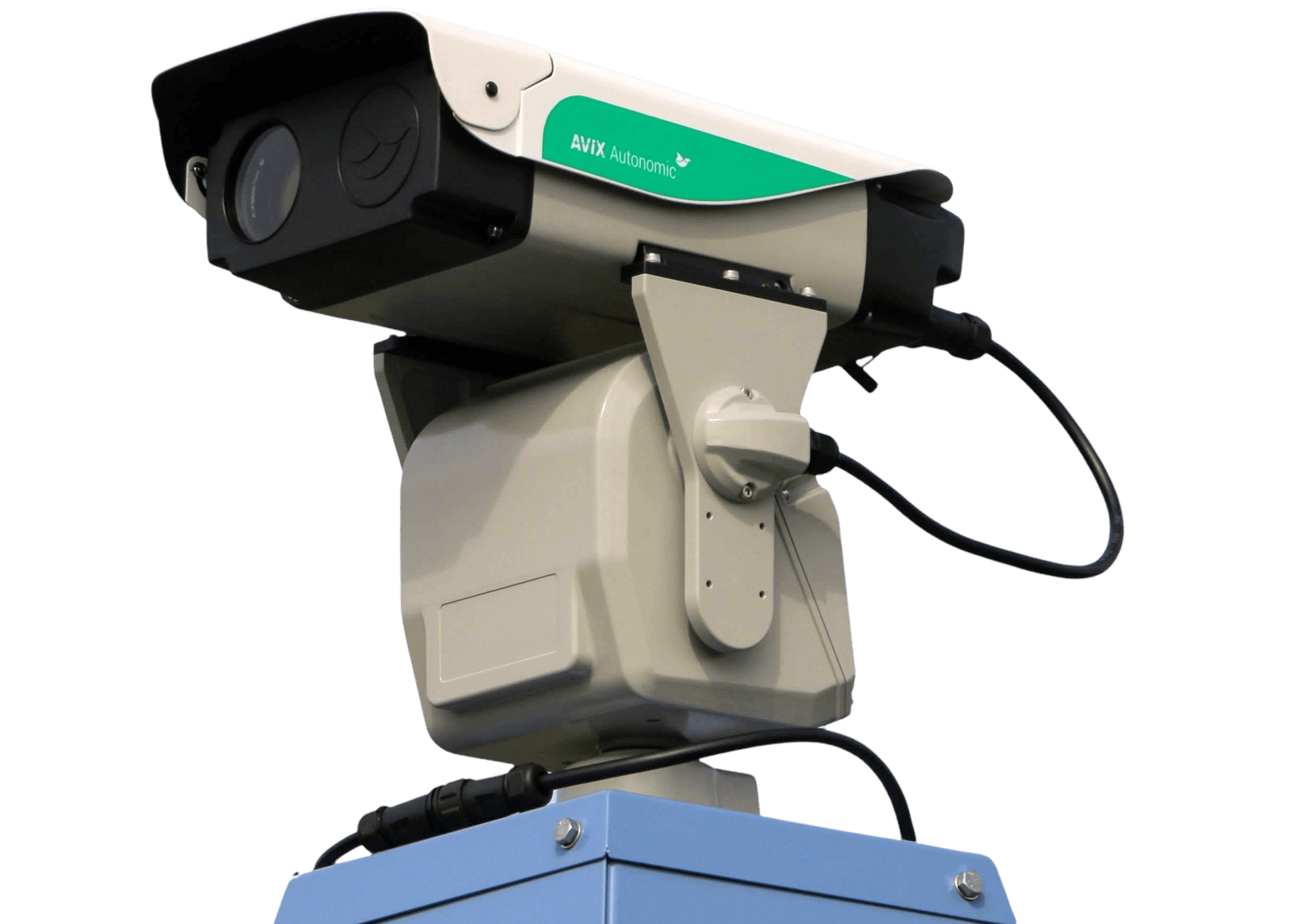
For warehouses with large open areas that are difficult or expensive to net, an automated laser deterrent is often the most practical option. Integrated Bird Management offers the AVIX Autonomic Mark II, which scans a laser beam across the site to deter pigeons and gulls without harming them. According to AVIX, the system runs continuously and only needs the laser bulb replaced every three to five years, which keeps ongoing costs low.
Key benefits include:
Frequently Asked Questions
Work with Integrated Bird Management
Integrated Bird Management specialises in sustainable, humane bird control for warehouses, distribution centres and logistics sites across the UK. Our work covers bird proofing with netting, spikes and wires fitted to suit your building, along with laser bird control using automated and handheld systems for both open and enclosed areas.
We also offer falconry response, using trained birds of prey as a natural deterrence method, and population monitoring, which means ongoing site assessment to catch problems before they grow into something more costly.
If birds are already costing your warehouse money, or you want to get ahead of the problem before it escalates, our team can help. We will assess your site, recommend the right combination of methods, and install with minimal disruption to your operation.
Ready to explore laser bird control for your facility?
Contact our specialists today for a free site survey and discover why UK businesses trust laser technology for long-term bird management success.
Integrated Bird Management: Laser Deterrents
Integrated Bird Management offers the AVIX Autonomic Mark II, an advanced laser bird deterrent that provides continuous, automated protection against nuisance birds. Birds see the laser as a physical threat and immediately leave the area, making this a highly effective and humane solution.
Unlike traditional methods, the AVIX Autonomic is silent, preventing noise disturbances, and birds do not become accustomed to it, ensuring long term success. With low maintenance requirements, the system operates efficiently with only a laser bulb replacement every 3-5 years.
Key Benefits Include:
Get a Quote
To provide you with the local support that you need, we rely on a network of trusted partners around the world. Please fill out the form below to begin.