Protecting Roofs, Canopies and Loading Bays From Pest Birds

Commercial Bird Netting Installation

Professional Bird Netting for Commercial Sites

Integrated Bird Management installs bird netting on commercial roofs, canopies, loading bays and warehouse ceilings across the UK. Netting creates a physical barrier that stops pigeons, gulls and smaller birds roosting or nesting, without harming them.

Every job starts with a free site survey, so the mesh, fixings and layout suit your building and the birds you are dealing with.

family of pigeons on roof of property

Trusted and Accredited Bird Netting Installers
British Pest Control Association (BPCA) member accreditation logo
CQMS Safety Scheme accreditation logo indicating compliance with recognised health and safety standards.

How Does Bird Netting Work?

Bird netting is a mesh barrier fixed over or across an area that birds are using, such as a roof, canopy or loading bay. It is tensioned on a frame of stainless steel cable, so it stays taut and birds cannot push through it or land on it.

With access removed, birds move on. Unlike deterrents that rely on scaring birds, netting gives them nothing to get used to, so it keeps working long term.

Bird netting over a flat roof with rooftop ductwork

Why Choose Bird Netting?

Netting is one of the most reliable ways to protect a defined area from pest birds. Once installed, it works day and night.

Complete Exclusion

Birds cannot get past a properly tensioned net, so nesting, roosting and fouling stop in the protected area.

Humane and Legal

Netting keeps birds out without trapping or injuring them, in line with UK wildlife law.

Built to Last

UV stabilised netting and stainless steel fixings stand up to years of UK weather with little upkeep.

Discreet

Correctly fitted netting is barely visible from the ground and can be colour matched to your building.

Where Can Bird Netting Be Installed?

Netting for bird control can be fitted almost anywhere birds are causing mess, damage or hygiene risks on commercial and industrial buildings.

Roof Bird Netting

Flat roofs, light wells and roof voids where pigeons and gulls roost, protecting plant, gutters and roof coverings.

Canopies and Entrances

Stops birds roosting above doorways and walkways, keeping entrances clean and safe.

Loading Bays

Keeps birds out of goods-in areas without getting in the way of vehicles or daily operations.

Warehouse Ceilings and Rafters

Netting across high steelwork in warehouses and factories stops birds roosting above stock and racking.

Eaves and Plant Rooms

Closes off the sheltered eaves, plant rooms and building voids that birds use for nesting.

Courtyards and Atria

Large open spaces can be fully enclosed, keeping birds out while letting light and air through.

Which Mesh Size Do You Need?

Mesh size is set by the smallest bird you need to keep out, so birds cannot get through the net or get caught in it.

Target species Mesh size
Gulls 75mm
Pigeons 50mm
Starlings 28mm
Sparrows and small birds 19mm

What Materials and Fixings Do We Use?

Every installation uses commercial grade materials chosen for the surface and the exposure of your site.

  • Commercial grade netting: Knotted polyethylene that is UV stabilised, rot proof and lightweight.

  • Stainless steel cables: A tensioned perimeter frame keeps the net taut.

  • Bird netting fixings: Chosen for steelwork, brick or concrete.

  • Flame retardant options: Available where your site needs them.

How We Install Bird Netting

A simple, planned process that keeps disruption to your site to a minimum.

Free site survey

We assess the area, the species involved and any access needs.

Clear proposal

A costed plan covering the netting, fixings and timescale.

Preparation

Droppings and inactive nests are cleared and the area is cleaned.

Installation

Trained installers fit the netting safely at height, with minimal disruption.

Aftercare

A final check of every edge and join, then optional maintenance visits.

Bird Netting in Practice

Every site is different. Here are a few examples of bird netting installed across the UK.
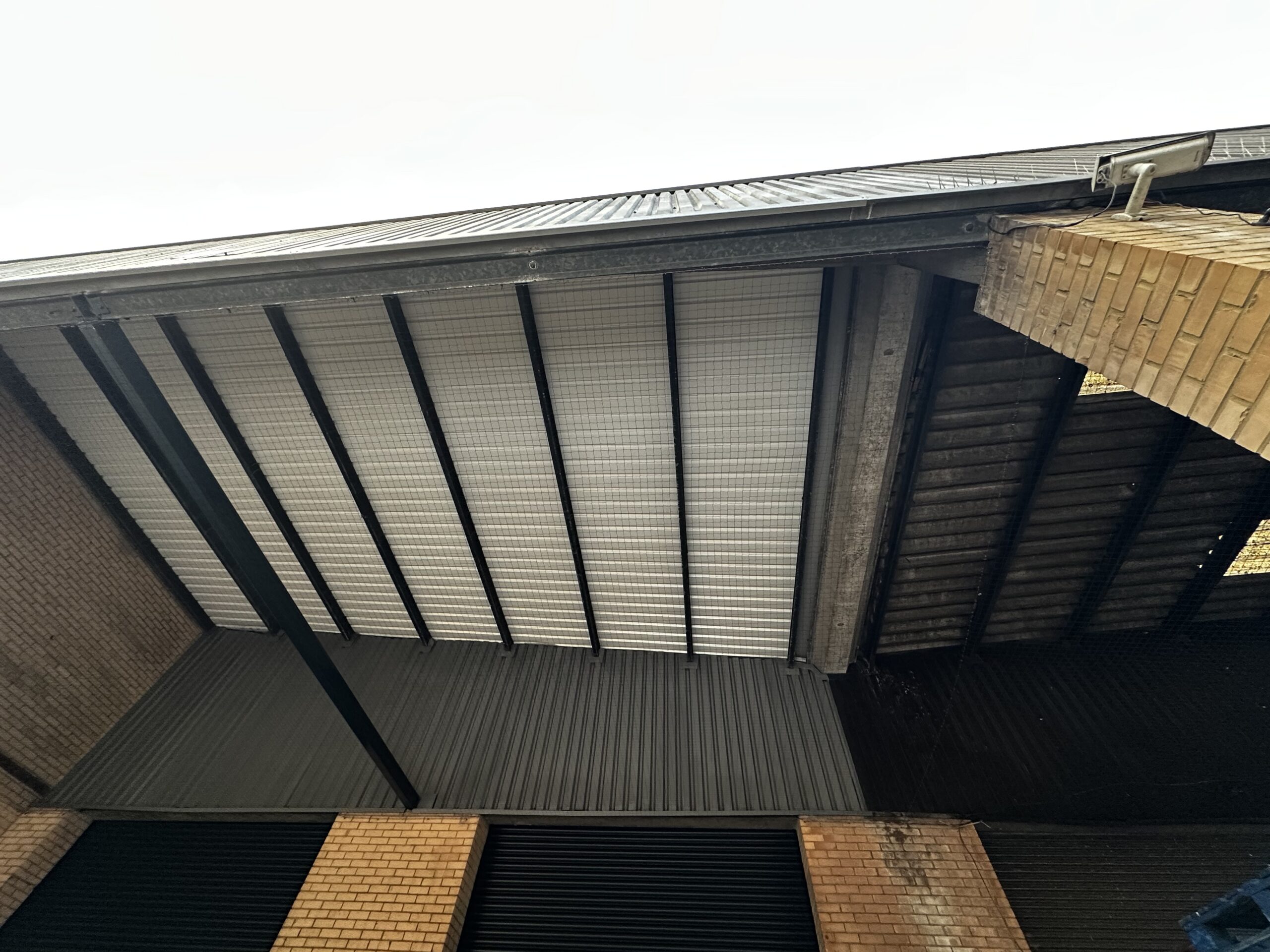
Close-up view of bird control netting stretched across industrial building entrance

Pigeon netting – construction site canopy

Barking, Essex. A deteriorated canopy netting system was reinstated at a Barking construction site. Pigeons had been exploiting the failing installation to roost and nest. IBM enclosed the full canopy with high-quality bird netting, restoring protection with minimal disruption to site operations.

See the full project

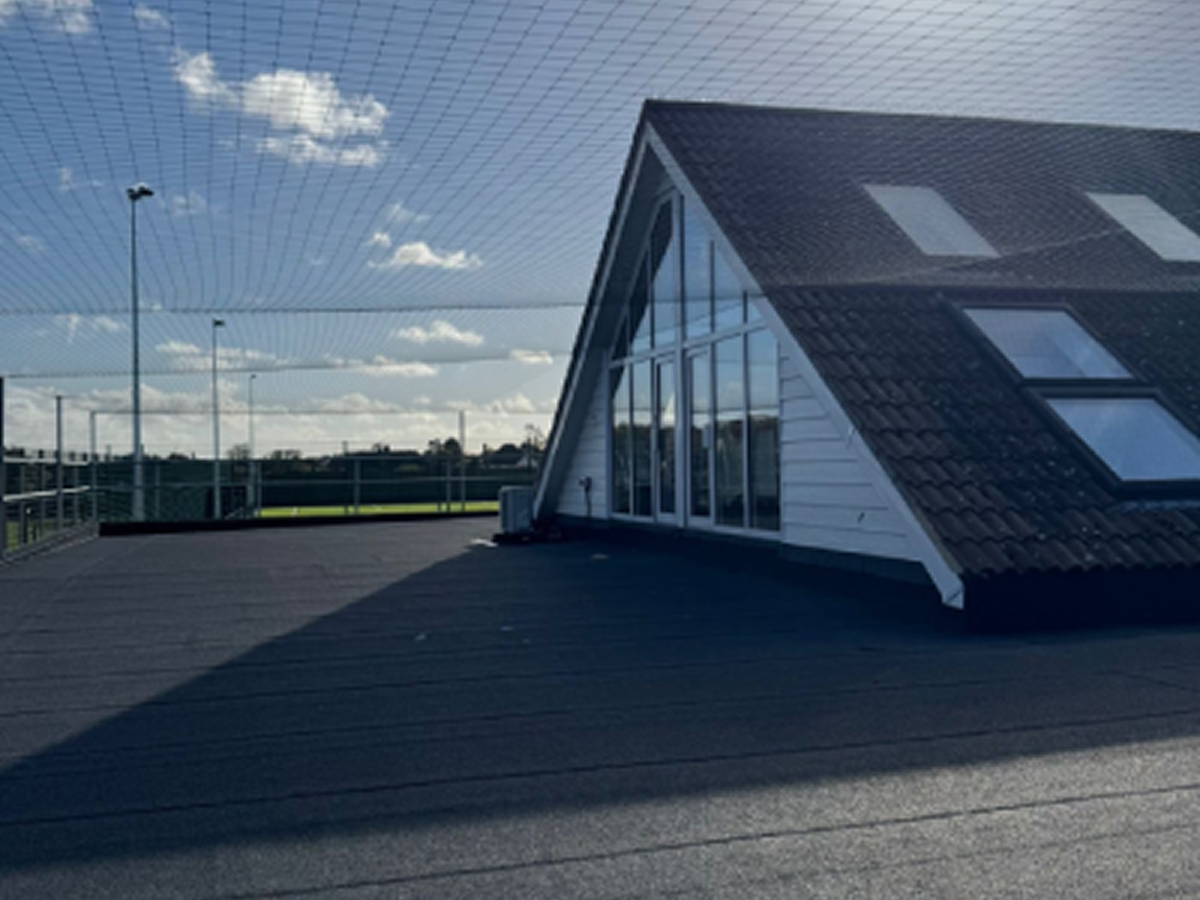
Bird netting over a flat roof beside a glazed building

Roof netting – school building in South London

South London. A roof net was installed at a South London school to prevent pigeons and gulls from roosting on the building. The netting provides a clean, discreet barrier that protects the roof without affecting the building’s appearance or the school’s daily operations.

See the full project

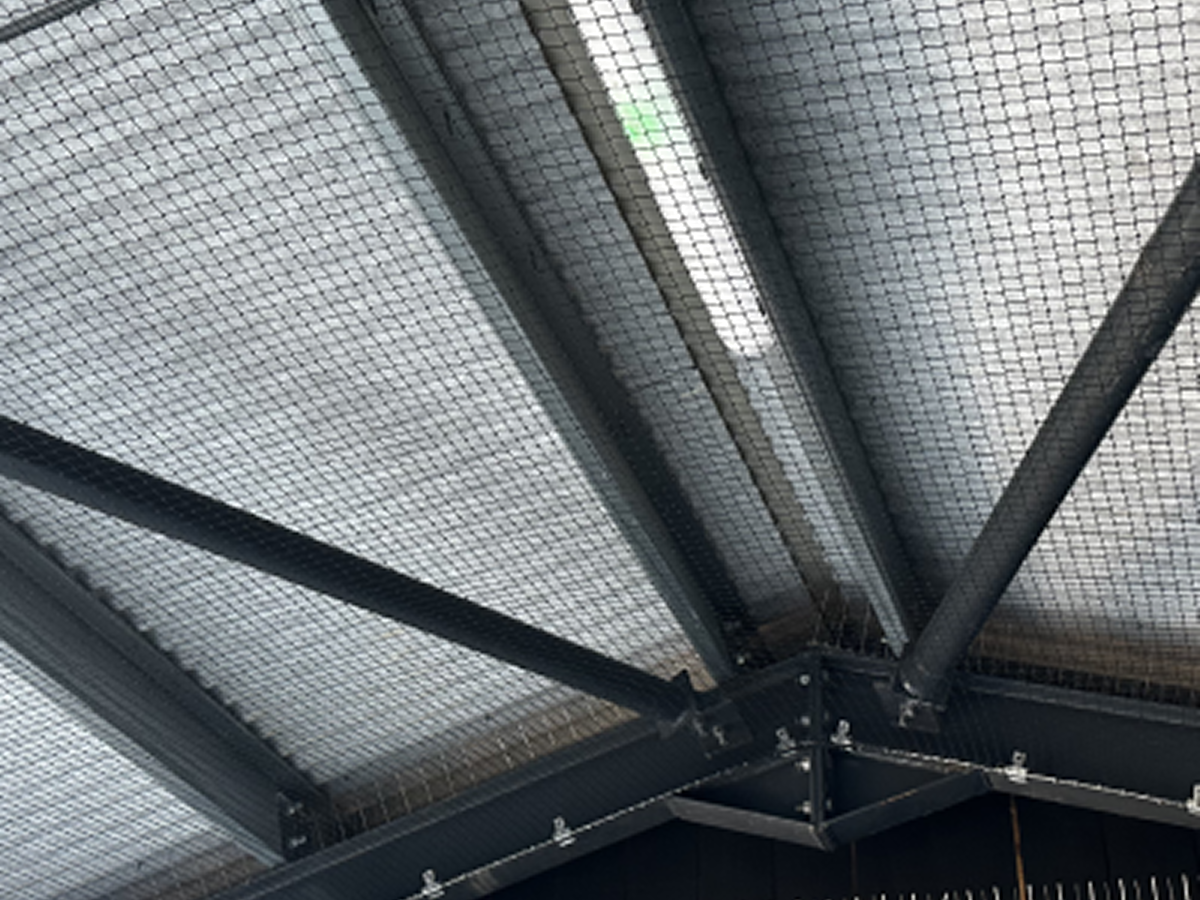
Bird netting installed under a steel-framed canopy roof

Pigeon netting – Vineyard / Domestic Property

Winchester. Bird netting was installed to a yard store area at a new-build property near Winchester where pigeons had been nesting. The netting denied access to the roosting site, offering a humane solution that encourages birds to relocate without causing them harm.

See the full project

Laser or Netting?
Choosing the Right Solution

Netting works best on enclosed or clearly defined spaces. For large open roofs, yards and sites where netting is not practical, automated laser bird control is usually the stronger choice. The AVIX Autonomic protects wide areas 24/7 without any physical barrier.

Many sites use both: netting for canopies and loading bays, and lasers for open roof areas. See our comparison of laser deterrents and netting for warehouses.
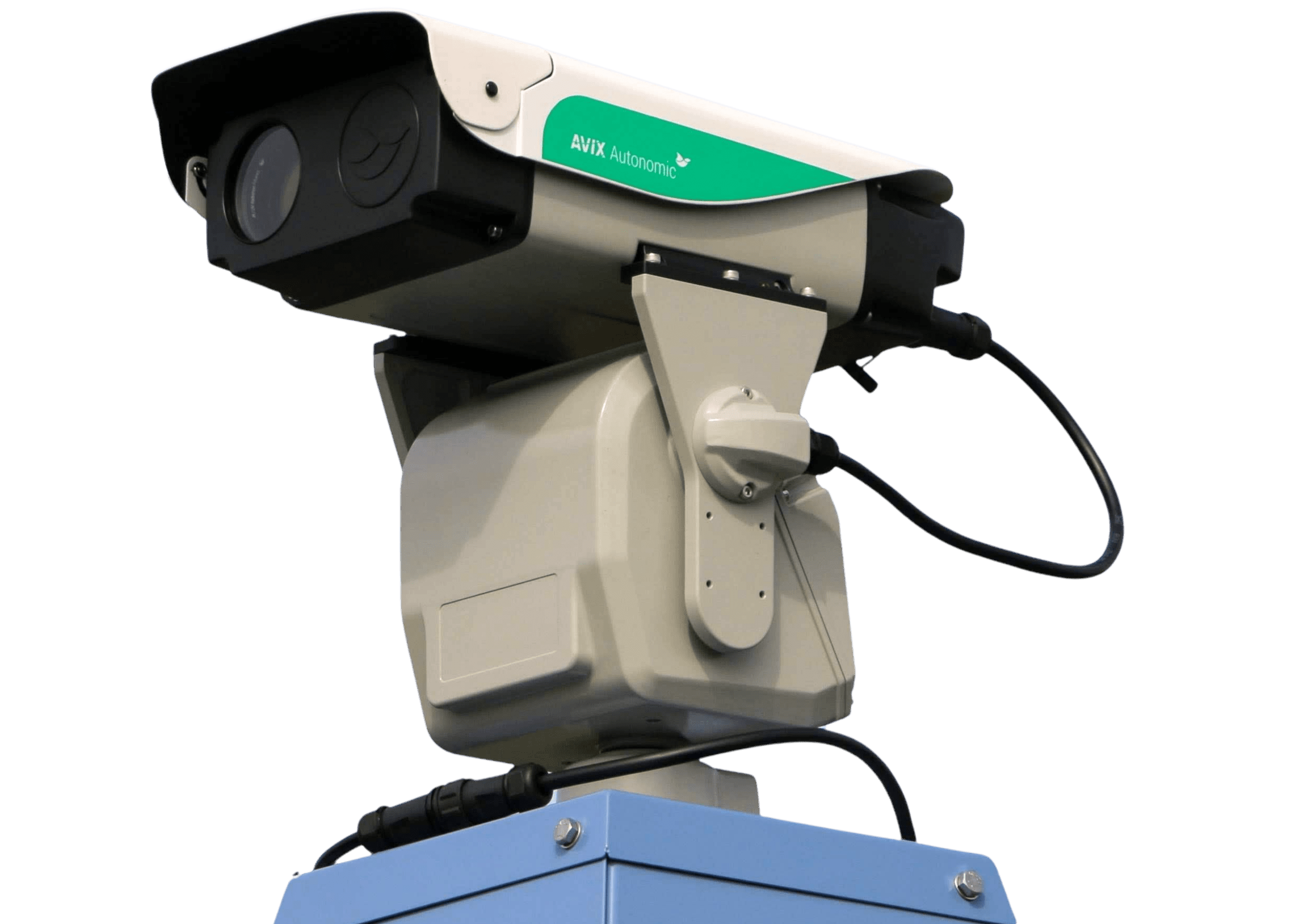
AVIX Autonomic laser bird deterrent unit

Is Bird Netting Legal and Humane?

Yes. Bird netting is a widely used, humane way to keep birds out, and it does not harm them when correctly installed.

All wild birds, their active nests and eggs are protected under the Wildlife and Countryside Act 1981. We survey for nesting activity first, plan work around it, and check nets so birds cannot become trapped. See the government guidance on wild birds and the law.

How Much Does Bird Netting Cost?

Every site is different, so we give a clear quote after a free survey. The main factors are:

  • Area: The size of the space to be netted.

  • Height and access: Whether a cherry picker or scaffold is needed.

  • Fixings: The surfaces the netting is fixed to.

  • Species: Smaller birds need a smaller mesh.

  • Preparation: Any cleaning needed before installation.

Bird Netting FAQs

Quality commercial netting typically lasts 10 years or more. Its lifespan depends on exposure, the materials used and how well it is maintained.

We recommend an inspection at least once a year and after storms, so small tears or loose fixings are fixed before birds find a way in. We offer maintenance visits, and our bird netting installation guide covers what to look out for.

Netting can exclude pigeons, gulls, starlings, sparrows and other pest birds. The mesh size is chosen to suit the smallest species on your site. For pigeon problems specifically, see our pigeon netting page.

From the ground, correctly fitted netting is barely visible, and it can be colour matched to your building.

In most cases, yes. Work is planned around your operations, including any access equipment needed at height, to keep disruption to a minimum.

Bird netting is flexible and covers large areas such as roofs, canopies and loading bays. Bird mesh is rigid and seals smaller gaps such as vents, eaves and the space under solar panels. Bird spikes are often used alongside netting on ledges and parapets.

Yes. IBM installs bird netting nationally across England, Scotland, Wales and Ireland. Get in touch to discuss your site, wherever it is located.

Get a Quote

To provide you with the local support that you need, we rely on a network of trusted partners around the world. Please fill out the form below to begin.

EMAIL ADDRESS

PHONE NUMBER

FIRST NAME

LAST NAME