
Bird Fouling: The Real Costs and Health Risks for Commercial Sites
Bird Fouling: The Real Costs and Health Risks for Commercial Sites

Bird fouling is the accumulation of droppings and nesting debris on buildings, walkways, vehicles, equipment and stock. On commercial sites it collects in predictable places, which are the areas directly beneath perching and roosting points such as ledges, gutters, roof edges, signage, canopies and steelwork.
The volume adds up faster than people expect. An established roost of thirty or forty birds fouls the same ground surface every single day, year round. That is why sites find themselves cleaning the same area repeatedly without ever getting on top of it.
Why It Damages Buildings
Droppings are acidic, and that acidity is what turns a cosmetic problem into a maintenance one. Accumulated fouling degrades paintwork, corrodes metal, stains stonework and concrete, and shortens the life of roofing membranes and cladding panels.
There is an operational cost alongside the physical damage. Blocked gutters and downpipes push water into the building envelope, causing damp and internal water ingress, and on flat roofs standing water accelerates membrane failure. Solar arrays suffer directly, because fouling on the panel surface reduces output. Our solar panel bird protection page covers that in more detail.
The Health Risks
Bird droppings can carry organisms that cause illness in humans, with salmonella, E. coli, psittacosis and histoplasmosis among the commonly cited examples. The British Pest Control Association identifies pest birds and their droppings as a source of disease risk in and around buildings.
The Health and Safety Executive’s guidance on hazardous substances covers biological agents, and where employees are exposed to bird droppings during cleaning that exposure needs assessing and controlling like any other workplace hazard. In practice that means a documented method, suitable protective equipment, wetting down before removal and safe disposal.
What Bird Fouling Costs Your Business
The direct costs are the ones that appear on invoices. They are usually the smaller half of the total.
| Cost | Type | What drives it |
|---|---|---|
| Repeat cleaning | Direct | Rolling clean-up schedules that never end because the birds remain |
| Building repairs | Direct | Corrosion, damaged roof coverings, blocked drainage, early replacement |
| Downtime | Indirect | Areas closed during cleaning, rerouted vehicles, paused external work |
| Slip claims | Indirect | Fouled walkways, steps and ramps, a leading cause of workplace injury |
| Audit failures | Indirect | Visible bird activity marked against you in hygiene or supplier audits |
| Reputation | Indirect | Entrances, forecourts and seating areas that look neglected |
Where It Builds Up, and What Fixes It
If fouling keeps returning to the same spot after cleaning, that spot sits directly beneath a roost you have not denied access to. Cleaning treats the symptom. The table below matches the usual problem areas to the fix.
| Where it collects | What the birds are using | Typical solution |
|---|---|---|
| Walkways and entrances | Canopies, signage and lighting above | Spikes or wires on the perch above |
| Loading bays | Roof edges and open steelwork | Netting across the opening |
| Internal warehouse floors | Purlins and roof trusses | Netting under the roofline, mesh on entry gaps |
| Flat roofs and plant areas | The roof surface itself | Laser deterrent or post and wire systems |
| Solar arrays | The gap beneath the panels | Panel edge proofing and mesh |
| Gutters and downpipes | Nesting on roof edges | Proofing plus a clearing schedule |
Stopping Bird Fouling at Source
Ending the cleaning cycle means removing the reason birds are there. In practice that is a short checklist:
One caution before you start. Nests in active use are protected under the Wildlife and Countryside Act 1981, so proofing needs to be timed around the nesting season. Our article on whether you can legally remove a bird’s nest sets out the position.
Frequently Asked Questions
Need Expert Bird Control Solutions?
If you are dealing with bird related issues on your property, our team at Integrated Bird Management is here to help. Contact us today for expert guidance on sustainable bird control solutions. Our team is always happy to answer any questions you may have or arrange a site assessment.
Ready to explore laser bird control for your facility?
Contact our specialists today for a free site survey and discover why UK businesses trust laser technology for long-term bird management success.
Integrated Bird Management: Laser Deterrents
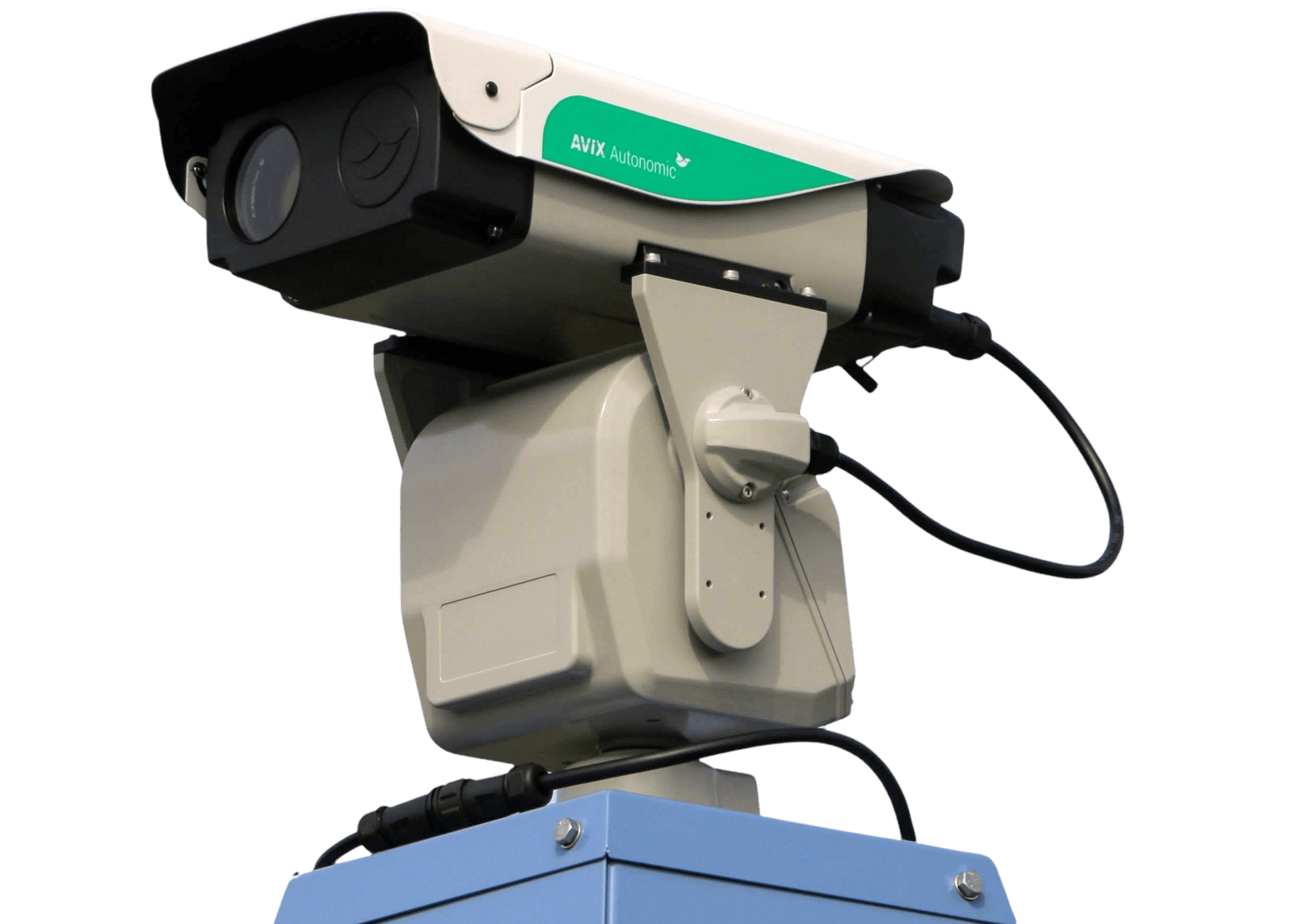
Integrated Bird Management offers the AVIX Autonomic Mark II, an advanced laser bird deterrent that provides continuous, automated protection against nuisance birds. Birds see the laser as a physical threat and immediately leave the area, making this a highly effective and humane solution.
Unlike traditional methods, the AVIX Autonomic is silent, preventing noise disturbances, and birds do not become accustomed to it, ensuring long term success. With low maintenance requirements, the system operates efficiently with only a laser bulb replacement every 3-5 years.
Key Benefits Include:
Stop Paying to Clean the Same Area Twice
If you are cleaning the same areas again and again, the answer is not more cleaning. Please fill out the form below to begin.