
Birds Nesting in Roof Voids: How to Remove Them Safely
Birds Nesting in Roof Voids: How to Remove Them Safely

Birds nesting inside a commercial roof void rarely announce themselves until the problem is already expensive. By the time someone reports noise above a suspended ceiling or finds staining on a warehouse liner panel, there is usually an established nest, several seasons of fouling and a maintenance bill attached to it.
The instinct is to get the gap sealed quickly. On a commercial building that is almost always the wrong first move, and depending on timing it can be an offence. Before anything is sealed, the nest has to be confirmed empty. If chicks or eggs are inside, blocking the adults out leaves the young to die in the roof space. That is a welfare problem, a potential offence under the Wildlife and Countryside Act 1981 and, in a food or hygiene-sensitive environment, a contamination issue you will be dealing with for weeks.
What It Costs a Commercial Site
The noise complaint is the least of it. The operational consequences are what turn this into a budget line.
| Impact | What it looks like in practice |
|---|---|
| Contamination | Droppings and feathers reaching production areas or open stock via voids and ductwork |
| Audit failure | Visible bird activity and fouling marked against you in hygiene, BRCGS or supplier audits |
| Water damage | Nesting material blocking outlets and gutters, causing ingress through the roof deck |
| Health and safety | Airborne dust from dried droppings during maintenance work in the void |
| Downtime | Areas closed off while clean-up and proofing take place |
| Liability | Claims from ingress, slips or contamination traced to a known, untreated problem |
Where Birds Get Into Commercial Buildings
Birds do not force entry. They use gaps that already exist, and industrial roof construction offers plenty. The most common are open ends and side laps in box profile sheeting, gaps at ridge and eaves closures, displaced insulation panels, and ventilation louvres with missing or corroded grilles.
Roller shutter housings, service penetrations, rooflight upstands and open-sided canopies give further access to sheltered internal space. Feral pigeons will nest directly on purlins and roof trusses as soon as they get inside, so the void does not need to be fully enclosed for the problem to take hold.
Older buildings and mixed-use sites with pitched roofs face the same issue through slipped tiles, perished felt and open soffit vents, which is the loft or attic version of the same problem.
Recognising the Problem Early
Most sites misread the early signs, usually because rodents get assumed first.
| What gets reported | What it usually means | What to do next |
|---|---|---|
| Noise above a ceiling at dawn | Birds active in the void | Observe the roofline at first light to find the entry |
| Chick or cooing noises | An active nest in the structure | Do not seal. Record it and plan work for after fledging |
| Debris at the eaves or gutter line | Nest building in progress or recent | Establish whether the nest is still in use |
| Staining on liner panels or ceilings | Droppings soaking through the build-up | Plan clean-up and panel or insulation replacement |
| Overflowing gutters and downpipes | Nesting material blocking outlets | Clear once safe, then proof the roof edge |
| Mite bites reported by staff | Parasites from an old or abandoned nest | Remove and treat the nest site properly |
For a wider view across a whole estate, see our article on the signs of a bird infestation you should not ignore.
Timing the Work Around the Nesting Season
It is an offence to intentionally damage or destroy the nest of a wild bird while it is in use or being built, which makes timing the main planning constraint rather than access or budget.
For most UK species the main nesting period runs from early spring into late summer, and some birds attempt more than one brood. That puts the practical window for proofing in autumn and winter, which for many sites lines up with planned shutdowns or quieter trading periods.
If birds are found in spring, leave the nest undisturbed, record the location and schedule the work for as soon as the young have fledged. Where there is doubt about whether a nest is active, have it inspected rather than judging it from the ground. Our article on whether you can legally remove a bird’s nest covers the detail.
The Removal Sequence
- 1Survey the roof and identify every entry point. There is almost always more than one, and the species present determines the mesh and spike specification.
- 2Confirm the nest is no longer in use. Nothing proceeds until this is established and recorded.
- 3Agree access and method. Working at height needs the right access equipment, a method statement and a risk assessment before anyone goes up.
- 4Remove nesting material safely. Old nests carry mites and bacteria, so removal requires proper protective equipment and controlled disposal.
- 5Dampen and clear the fouling. Wetting down first prevents the airborne dust that creates the real exposure risk to your staff.
- 6Replace contaminated insulation and panels. Cleaning around contaminated material does not work.
- 7Seal every access point, then proof the surrounding roof. One missed gap and the birds return next season.
Proofing a Commercial Roof Afterwards
Sealing the entry point solves this year’s problem. Proofing the roof prevents the next one, and on most industrial buildings a good share of that is fabric maintenance. Replacing damaged closures, refixing displaced sheeting and making good ridge and eaves details removes most access opportunities on its own.
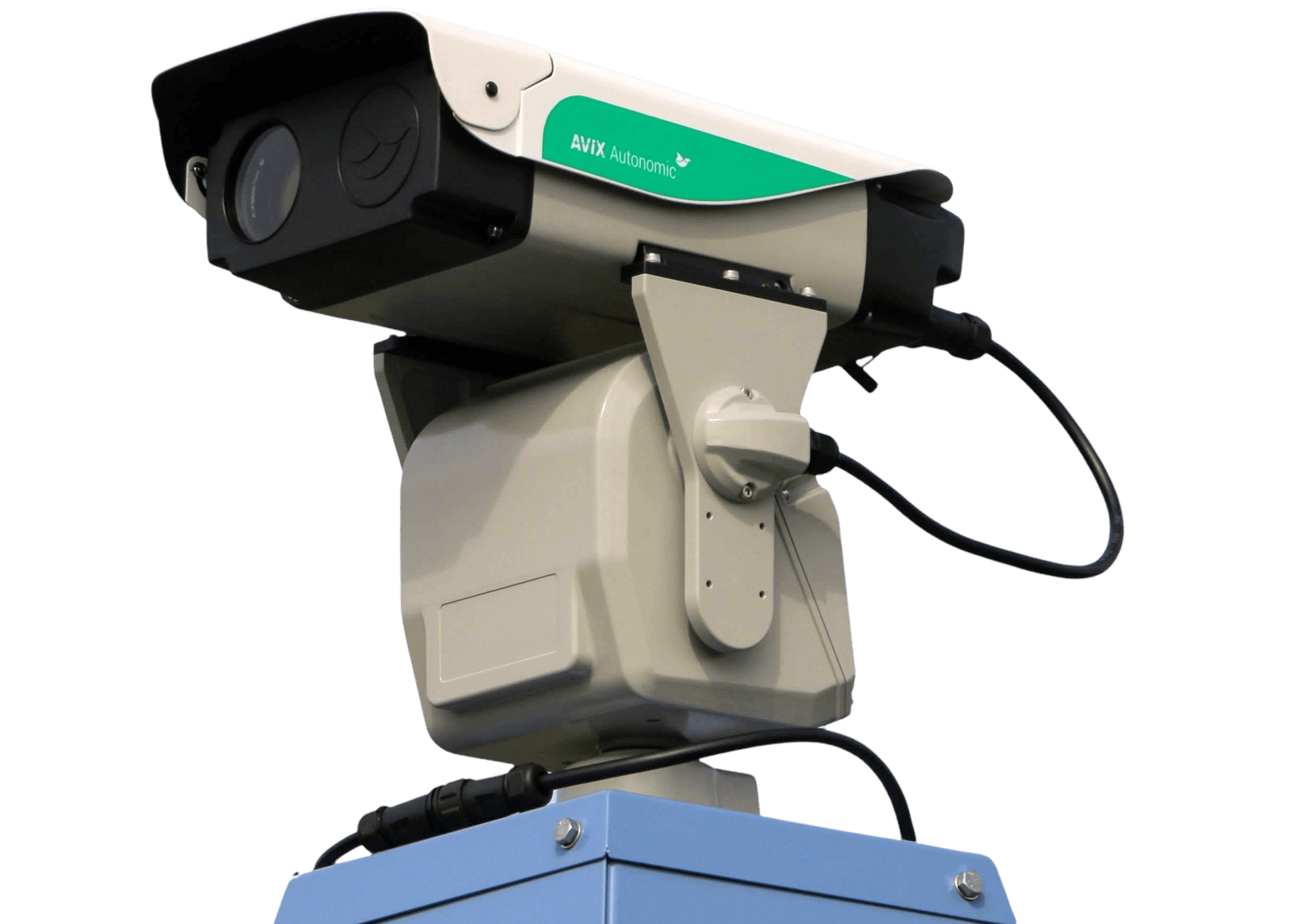
Beyond the repairs, bird mesh over louvres, penetrations and eaves gaps blocks access while retaining ventilation. Spikes on ridges, parapets and plant housings remove the perches birds use to survey a roof, and netting closes off open-sided structures and internal steelwork. On large roofs, an automated laser covers the open areas sealing and netting cannot reach.
Build periodic inspection into your planned maintenance schedule rather than treating this as a one-off. Proofing fails quietly, and the first sign is usually a bird back inside.
For more informastion, read our article on preventing bird infestations on rooftops and our guidance for industrial sites and factories.
Need Expert Bird Control Solutions?
If you are dealing with bird related issues on your property, our team at Integrated Bird Management is here to help. Contact us today for expert guidance on sustainable bird control solutions. Our team is always happy to answer any questions you may have or arrange a site assessment.
Frequently Asked Questions
Ready to explore laser bird control for your facility?
Contact our specialists today for a free site survey and discover why UK businesses trust laser technology for long-term bird management success.
Integrated Bird Management: Laser Deterrents
Integrated Bird Management offers the AVIX Autonomic Mark II, an advanced laser bird deterrent that provides continuous, automated protection against nuisance birds. Birds see the laser as a physical threat and immediately leave the area, making this a highly effective and humane solution.
Unlike traditional methods, the AVIX Autonomic is silent, preventing noise disturbances, and birds do not become accustomed to it, ensuring long term success. With low maintenance requirements, the system operates efficiently with only a laser bulb replacement every 3-5 years.
Key Benefits Include:
Book a Roof Survey
The sooner a roof problem is assessed, the more options you have and the cheaper the fix. Please fill out the form below to begin.