
How to Bird-Proof a Distribution Centre
How to Bird-Proof a Distribution Centre

If you manage a distribution centre, you’ll know that birds can cause serious operational problems. From contaminated stock to health and safety risks, bird infestations disrupt daily operations and cost businesses thousands in cleaning, repairs, and downtime. In this guide, we’ll explain the main challenges birds create in distribution centres and the most effective ways to protect your facility.
Why Bird Control Matters in Distribution Centres
Distribution centres are particularly attractive to birds. Large roofs, loading bays, and open access points provide shelter, warmth, and easy access to food waste. Pigeons, gulls, and starlings are the most common culprits, and once they settle, they’re difficult to remove.
The problems they cause go beyond nuisance. Bird droppings contaminate stock and packaging, creating health hazards that can lead to product recalls or failed audits. Droppings are also acidic and corrode metal roofing, gutters, and cladding over time. Nests block drainage systems, leading to water damage and leaks. In worst-case scenarios, birds can even damage electrical systems or solar panels installed on rooftops.
For businesses handling food, pharmaceuticals, or other sensitive goods, the risks are even higher. A single infestation can compromise hygiene standards and put your reputation on the line.
If you’re unsure whether your site has a developing problem, it’s worth knowing the signs of a bird infestation you shouldn’t ignore. Early detection makes control much easier.
Common Bird Control Methods for Distribution Centres
There are several approaches to bird control distribution centres can use, ranging from traditional exclusion methods to modern deterrent systems. The right solution depends on the size of your site, the species involved, and your operational needs.
Physical Exclusion Systems
Bird netting is one of the most reliable methods for keeping birds out of loading bays, canopies, and open-sided structures. When installed correctly, it creates a complete barrier that prevents access without harming the birds. It’s particularly effective in areas where birds are already roosting or nesting.
Bird spikes work well on ledges, roof edges, and pipework where pigeons tend to perch. They don’t harm birds but make landing uncomfortable, encouraging them to move elsewhere. However, spikes require regular maintenance and can become less effective if debris builds up around them.
Bird mesh systems can be used to seal off roof voids, ventilation areas, and other entry points. This is especially useful in older buildings where structural gaps allow birds to nest inside the building itself.
Deterrent Systems
Bio-acoustic systems use recorded predator calls or distress signals to frighten birds away. These can be effective in the short term, but birds often become used to the sounds over time, reducing their impact.
Visual deterrents like hawk kites or reflective tape can work in specific situations, but they’re generally better suited to smaller areas or as part of a wider strategy.
Laser Bird Control
Laser technology has become one of the most effective solutions for large-scale sites like distribution centres. Automated laser systems operate around the clock, projecting a moving green beam across roofs, yards, and other open areas. Birds perceive the beam as a physical threat and leave the area. Because the beam constantly moves and varies its pattern, birds don’t become habituated.
For distribution centres with multiple buildings or large outdoor storage areas, automated systems offer continuous coverage without requiring staff intervention. Handheld laser units are also available for targeted use in specific problem areas or during loading times.
If you’re weighing up your options, this comparison of laser bird deterrents vs netting for warehouses may help clarify which approach suits your site.
If you’re considering laser systems for your site, get in touch for a free consultation. We’ll assess your facility and recommend the most suitable setup based on your layout and the bird species present.
Choosing the Right Bird Control Strategy
Not every method works for every site. The best approach depends on several factors, including the type of birds, the areas they’re targeting, and how your site operates.
For loading bays and covered areas where birds are nesting or roosting, netting or mesh often provides the most immediate solution. For large rooftops, vehicle yards, or perimeter areas, laser systems deliver wide coverage with minimal maintenance.
It’s also worth considering a layered approach. Combining exclusion methods in high-risk zones with deterrent systems across open areas often gives the best long-term results. You can explore the full range of bird control solutions to see what might work for your specific setup.
Whatever method you choose, make sure it complies with UK wildlife law. Most bird species are protected, and it’s illegal to harm them or remove active nests without a licence. Any control measures must be humane and non-lethal.
Installation and Ongoing Maintenance
Effective bird control isn’t just about installing the right equipment. It’s about making sure it’s fitted properly and maintained over time.
A professional site survey is the starting point. This identifies where birds are entering, roosting, and nesting, and highlights any structural issues that might be making your site more attractive to them. Based on this assessment, a tailored control plan can be developed.
Installation should be carried out by trained specialists to avoid gaps in coverage or damage to your building. For netting and mesh, poor installation can leave entry points that birds will quickly exploit. For laser systems, correct positioning and calibration are essential to ensure full coverage.
Once installed, regular inspections help catch any issues early. Netting can sag or tear over time. Spikes may need cleaning. Laser units should be checked to ensure they’re operating correctly and covering the intended areas.
If you’d like to discuss a site-specific plan, fill out our online quote form and we’ll arrange a survey at a time that suits your operations.
Legal and Safety Considerations
Bird control must be carried out in line with the Wildlife and Countryside Act 1981. This means you can’t use lethal methods or remove nests during the breeding season unless you have a special licence.
The good news is that modern deterrent systems like lasers, netting, and spikes are fully compliant. They prevent birds from accessing your site without causing harm, which is both legal and ethical.
From a safety perspective, any control system should be installed in a way that doesn’t create new risks for staff or visitors. Laser systems, for example, are designed to be safe for human exposure at the distances and power levels used for bird control. Netting must be fire-rated and installed to avoid trip hazards or obstructions in emergency access routes.
Preventing Future Infestations
Once you’ve removed or deterred the birds, the next step is making sure they don’t come back. Prevention is always easier than dealing with an established infestation.
Start by removing food sources. Even small amounts of waste or spillage can attract birds. Make sure bins are covered, loading areas are kept clean, and any food waste is disposed of promptly.
Next, look at access points. Seal gaps in cladding, repair damaged roof sections, and fit mesh over vents or other openings. The harder it is for birds to get in, the less likely they are to try.
Finally, consider regular monitoring. A quarterly inspection can catch early signs of bird activity before it becomes a full-blown problem. This is especially important for large sites where it’s easy for a small issue in one area to go unnoticed.
Cost estimates for typical 5,000m² commercial facility.
Frequently Asked Questions
Work with Integrated Bird Management
At Integrated Bird Management, we specialise in humane, effective bird control for commercial sites across the UK. We’ve worked with distribution centres, warehouses, and logistics hubs to design tailored solutions that protect operations without disrupting day-to-day business.
Our approach starts with a free site survey to assess your specific challenges. From there, we’ll recommend the most suitable methods, whether that’s automated laser systems, netting, or a combination of approaches. All our installations are carried out by trained professionals and fully comply with UK wildlife legislation.
If bird activity is affecting your distribution centre, get in touch today. We’ll help you put a long-term solution in place that keeps your site clean, safe, and compliant.
Ready to explore laser bird control for your facility?
Contact our specialists today for a free site survey and discover why leading UK businesses trust laser technology for long-term bird management success.
Integrated Bird Management: Laser Deterrents
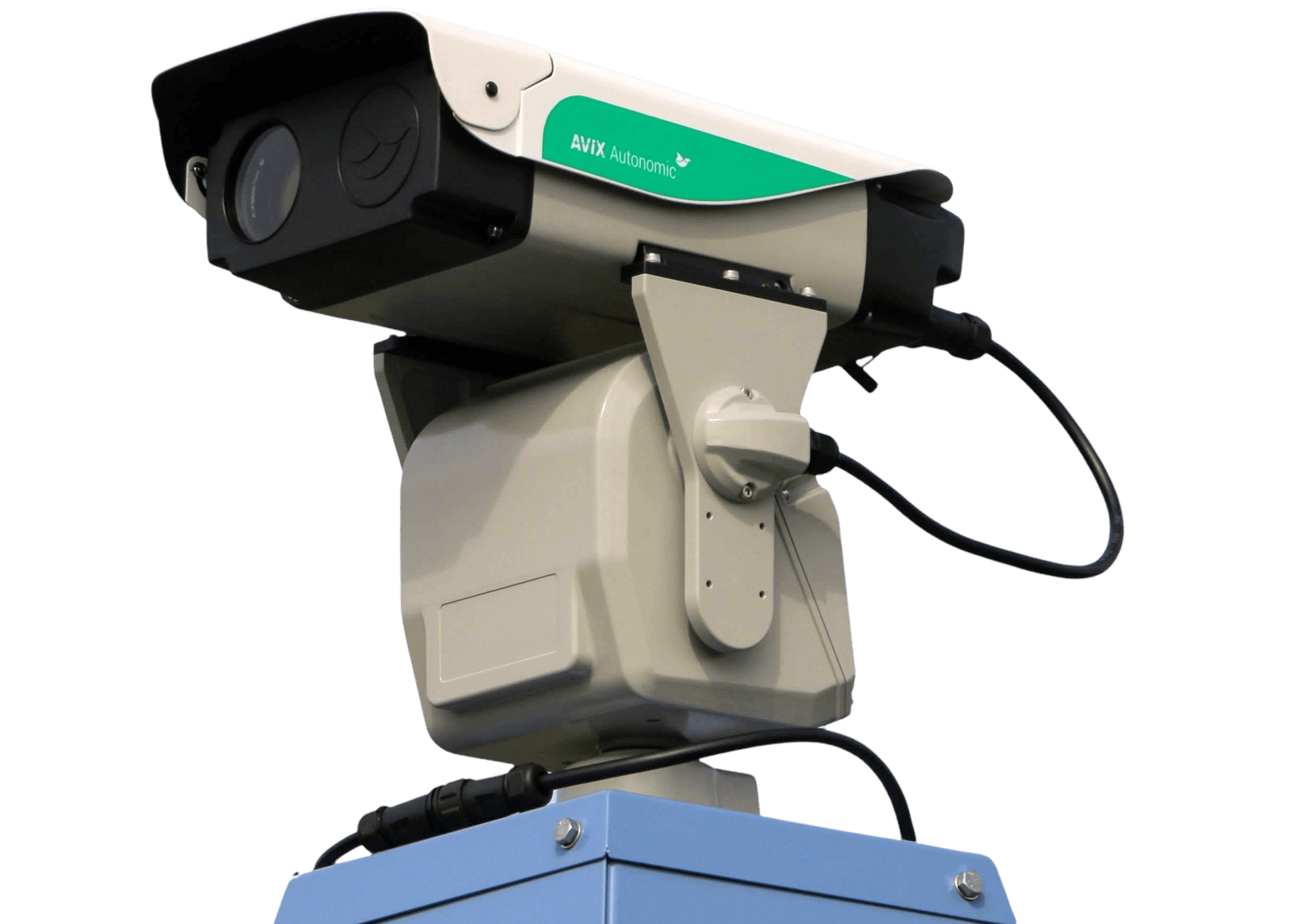
Integrated Bird Management offers the AVIX Autonomic Mark II, an advanced laser bird deterrent that provides continuous, automated protection against nuisance birds. Birds see the laser as a physical threat and immediately leave the area, making this a highly effective and humane solution.
Unlike traditional methods, the AVIX Autonomic is silent, preventing noise disturbances, and birds do not become accustomed to it, ensuring long term success. With low maintenance requirements, the system operates efficiently with only a laser bulb replacement every 3-5 years.
Key Benefits Include:
Get a Quote
To provide you with the local support that you need, we rely on a network of trusted partners around the world. Please fill out the form below to begin.